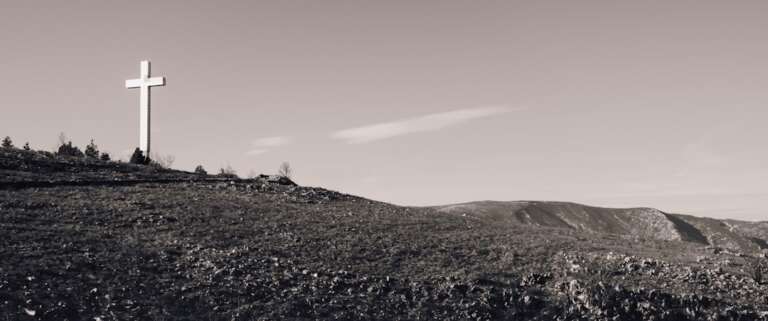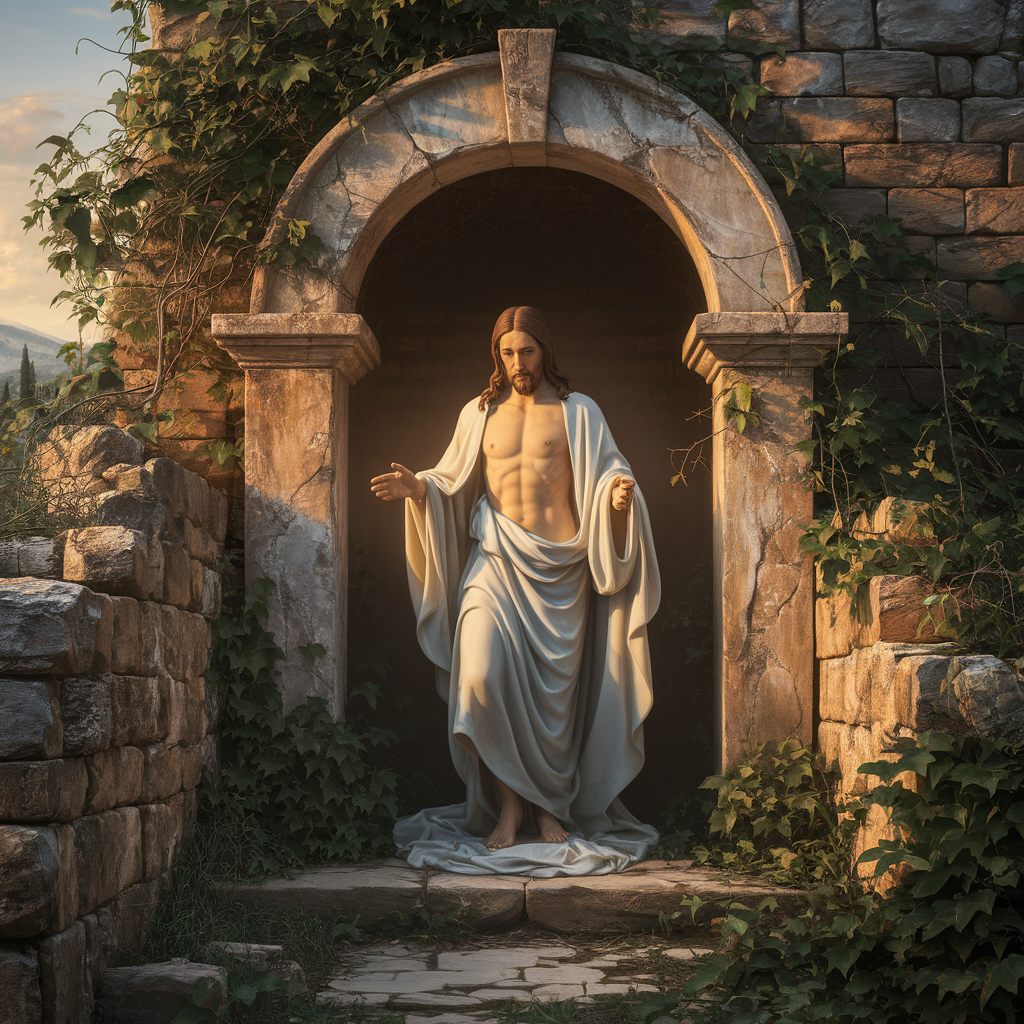
The resurrection of Jesus Christ is the most important event in human history. Without it, Christianity collapses. With it, everything changes: death is defeated, sin is atoned for, and eternal life is offered to every person who believes. For Christians, the resurrection is not a symbol or a metaphor. It is the announcement that God has acted in history, and that the grave does not have the last word.

In this guide we will look at why the resurrection matters, the historical evidence the New Testament puts before us, the most common objections, and what Easter morning means for ordinary believers today. Whether you are a seeker with honest questions or a longtime Christian who wants firmer ground, may these pages strengthen your hope.
Why the Resurrection of Jesus Matters
The apostle Paul does not soften the stakes. He writes, “And if Christ has not been raised, your faith is futile; you are still in your sins” (1 Corinthians 15:17, NIV). In other words, Christianity does not stand or fall on beautiful ethics alone. It stands on something that happened. If Jesus remained in the tomb, He was an admirable teacher who died and we are still lost. If He rose, then His claims about Himself were true and His promises can be trusted.
Throughout the Gospels Jesus told His disciples that He would be killed and rise on the third day (Mark 8:31; Mark 9:31). The resurrection is therefore the Father’s public confirmation of the Son. Paul says Jesus was “declared with power to be the Son of God by his resurrection from the dead” (Romans 1:4). The cross shows the depth of God’s love; the empty tomb shows that the work of salvation is finished and accepted. If you are still exploring who He is, this overview of the life and teachings of Jesus is a good place to begin.
Historical Evidence for the Resurrection of Jesus
The resurrection of Jesus is one of the most well-attested claims of the ancient world, and the New Testament presents it as testimony that could be checked. Luke says he wrote after careful investigation of eyewitness accounts (Luke 1:1-4), and Paul told King Agrippa that these things were “not done in a corner” (Acts 26:26). Several lines of evidence deserve our attention.
The first is the burial. All four Gospels report that Joseph of Arimathea, a member of the council, asked Pilate for the body and laid it in his own tomb (Mark 15:42-47; John 19:38-42). Because the burial place was known, the empty tomb could be examined by anyone who doubted. The second is the empty tomb itself. Even Jesus’s opponents acknowledged that the body was gone and tried to explain it away by claiming the disciples stole it (Matthew 28:11-15). Notice that this explanation concedes the tomb was empty.
The third line of evidence is the women. In all four Gospels, women are the first witnesses of the empty tomb (Matthew 28:1-10; Luke 24:1-12; John 20:1-18). In the first century a woman’s testimony carried little weight in many settings. Writers inventing a story would hardly have chosen such witnesses, which gives the accounts a ring of honesty.
The fourth is the list of appearances. Paul passes on an early summary of the faith: that Christ died for our sins, was buried, was raised on the third day, and appeared to Cephas (Peter), then to the Twelve, then to more than five hundred believers at once, most of whom were still alive when he wrote, then to James, then to all the apostles, and finally to Paul himself (1 Corinthians 15:3-8). Paul received this tradition very soon after the events, and he effectively invited readers to ask the living witnesses.
The fifth is the transformation of the disciples. On Good Friday Peter denied Jesus three times and the others hid behind locked doors (John 20:19). Weeks later they were preaching in Jerusalem, the very city where Jesus had been executed, announcing that God had raised Him (Acts 2:22-36). Most of them faced suffering, and tradition holds that many died for this message. People may die for something they believe is true; they rarely die for something they know they invented.
Finally, there are two surprising converts. James, the brother of Jesus, did not believe in Him during His ministry (John 7:5), yet he became a leader of the church in Jerusalem. Saul of Tarsus was a violent persecutor of Christians until he met the risen Lord on the road to Damascus (Acts 9:1-19). Both changes are hard to explain unless something extraordinary happened.
Common Objections and How Christians Respond
Honest questions deserve honest answers, and the church has been answering them for centuries. Here are three of the most frequent.
The first objection says Jesus did not really die but merely fainted and revived. Roman executioners were practiced at their work, a soldier pierced His side and John records blood and water flowing out (John 19:33-35), and Pilate confirmed the death before releasing the body (Mark 15:44-45). A half-dead man who had survived scourging and crucifixion could hardly have rolled away a stone, overpowered guards, and convinced his followers he had conquered death.
The second says the disciples stole the body. Yet people do not give their lives for a deliberate lie, and the sudden courage of the disciples fits poorly with a conspiracy. The third says the disciples simply hallucinated. But hallucinations are private, while the New Testament describes Jesus eating fish with them (Luke 24:41-43), inviting Thomas to touch His wounds (John 20:24-29), and appearing to groups, even a crowd of hundreds. None of these theories accounts for all the evidence at once.
None of this removes the need for faith. Evidence can open the door, but trust is a step we take. Thomas saw and believed, yet Jesus spoke a blessing over those who would believe without seeing (John 20:29). If you want to read the whole chapter for yourself, 1 Corinthians 15 on BibleGateway is a helpful place to start.
The Spiritual Meaning of the Resurrection
The resurrection is not only about what happened to Jesus. It is about what is now available to everyone who trusts Him. Romans 6:4-5 tells us that just as Christ was raised from the dead through the glory of the Father, we too may live a new life. Eternal life, victory over sin, the indwelling Holy Spirit, and the hope of our own bodily resurrection all flow from Easter morning.
Peter celebrates this in a burst of praise: God “has given us new birth into a living hope through the resurrection of Jesus Christ from the dead” (1 Peter 1:3, NIV). A living hope is not wishful thinking. It is confidence anchored in an event. Jesus Himself said to Martha at the tomb of Lazarus, “I am the resurrection and the life. The one who believes in me will live, even though they die” (John 11:25, NIV).
The resurrection also changes how we face death. Paul can taunt the grave: “Where, O death, is your victory? Where, O death, is your sting?” (1 Corinthians 15:55, NIV). Christians still grieve, but we do not grieve as those without hope (1 Thessalonians 4:13-14). To explore what comes next, read our article on what Christians believe about heaven and eternal life.
Finally, the resurrection is the reason salvation is a gift. We are not saved by climbing toward God but by trusting the One who rose for us. If you are still sorting out how that works, understanding grace will help you see why the empty tomb is such good news.
Living in Resurrection Hope Today
What difference does a two-thousand-year-old event make on an ordinary Tuesday? Quite a lot. Paul urges believers, “Since, then, you have been raised with Christ, set your hearts on things above” (Colossians 3:1, NIV). Resurrection people live with a different horizon. Failure is not final, suffering is not meaningless, and no sin is too large for the One who conquered death.
Here are a few simple ways to put this into practice. Begin each day by thanking God that Jesus is alive and present with you. When you feel crushed by hardship, remind yourself that the same power that raised Christ is at work in believers (Ephesians 1:19-20). When doubt visits, bring it honestly to God and to trusted Christian friends rather than carrying it alone; our guide to strengthening your faith when you are struggling and doubting may help. And when you have opportunity, tell someone what Jesus has done for you, because the first Christians did exactly that.
Quick Faith Quiz
According to 1 Corinthians 15:17, if Christ has not been raised, what is our faith?
- A. Still meaningful
- B. Futile and we are still in our sins
- C. Based on moral teachings alone
- D. Weakened but not destroyed
Reveal the answer
B — “Your faith is futile; you are still in your sins” (1 Corinthians 15:17). The resurrection is everything.
Frequently Asked Questions
Did Jesus really rise from the dead?
Christians believe so, based on the empty tomb, the early eyewitness testimony recorded in 1 Corinthians 15:3-8, and the sudden transformation of the disciples. The New Testament presents the resurrection as a real event in history, not a myth, and invites readers to weigh the evidence and trust the risen Christ for themselves.
What does the resurrection of Jesus mean for believers?
It means sin and death have been defeated. Because Christ lives, believers receive forgiveness, new life through the Holy Spirit, and the sure hope of their own resurrection. Paul writes that Christ is the “firstfruits” of those who have died (1 Corinthians 15:20), the first of a great harvest still to come.
Why did the women see Jesus first?
The Gospels record that Mary Magdalene and other women came to the tomb early on the first day of the week and met the risen Lord (Matthew 28:1-10; John 20:1-18). God entrusted the first announcement to people many considered unimportant, a pattern that fits Jesus’s consistent care for the humble and overlooked.
How can I know the resurrection is true?
Read the Gospels slowly, ask your questions openly, and pray for God to show Himself. Many people find that studying the evidence opens the door, and personal trust completes the journey. Jesus promised that those who seek will find (Matthew 7:7-8). Consider joining a church or Bible study where you can ask questions freely.
Risen Lord, thank You for defeating death so that we might have life. May the reality of Your resurrection fill us with unshakeable hope every day. Amen.
About the author: everydayinchrist.com writes devotional and Bible study content at Everyday in Christ to help readers grow in everyday faith.