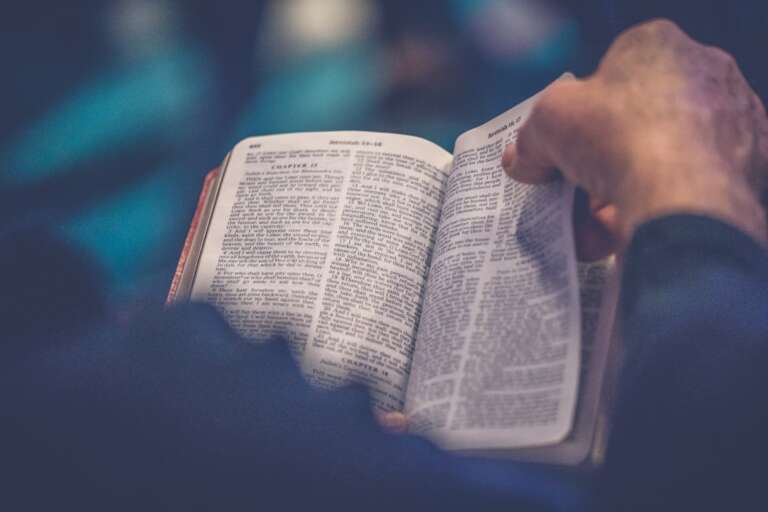
Studying the Gospel of John chapter by chapter is one of the best ways to come to know Jesus more deeply. Written by the Apostle John, the disciple whom Jesus loved, this Gospel is unlike Matthew, Mark and Luke. It is deeply theological, beautifully simple and written with a clear goal. John himself states his purpose: “These are written that you may believe that Jesus is the Messiah, the Son of God, and that by believing you may have life in his name” (John 20:31). This guide walks through all 21 chapters, with the key themes, signs and teachings to look for along the way.

About the Gospel of John
John’s Gospel is traditionally attributed to the Apostle John, one of the twelve disciples and an eyewitness to Jesus’s ministry. While the other three Gospels are often called the Synoptic Gospels because they share so much material, John includes many unique stories, such as the wedding at Cana, the conversation with Nicodemus, the woman at the well and the raising of Lazarus. It also contains the long, tender teaching of the Upper Room in chapters 13-17.
The book moves in two main parts. Chapters 1-12 present Jesus’s public ministry, filled with signs and bold claims about who He is. Chapters 13-21 focus on His final hours with His disciples, His death and His resurrection. If you are new to Bible study, it is also a wonderful place to begin, and our article on how to study the Bible effectively can help you get the most from each reading.
Key Themes in John’s Gospel
The Word (Logos): John 1:1-14 introduces Jesus as the eternal Word of God who became flesh. This is one of the most powerful statements about the deity and humanity of Christ in all of Scripture.
Belief and life: The words “believe” and “life” appear again and again. John wants readers to trust in Jesus and receive eternal life, as in the famous words of John 3:16.
Light and darkness: Jesus is the light of the world (John 8:12), shining in a world that often prefers darkness.
Love and abiding: Jesus calls His followers to remain in His love and to love one another (John 13:34; 15:9-12).
The Seven Signs in John’s Gospel
John records seven miraculous signs, each designed to point beyond the miracle itself to the identity of Jesus and to produce faith in the reader.
- Turning water into wine at Cana (John 2:1-11)
- Healing the official’s son (John 4:46-54)
- Healing the man at the pool of Bethesda (John 5:1-15)
- Feeding the five thousand (John 6:1-14)
- Walking on water (John 6:16-21)
- Healing the man born blind (John 9:1-41)
- Raising Lazarus from the dead (John 11:1-44)
The Seven “I Am” Statements
Throughout the Gospel, Jesus uses the words “I am” to reveal who He is. Each statement echoes the name God revealed to Moses, and each shows a different side of His divine identity.
- “I am the bread of life” (John 6:35)
- “I am the light of the world” (John 8:12)
- “I am the gate” (John 10:7)
- “I am the good shepherd” (John 10:11)
- “I am the resurrection and the life” (John 11:25)
- “I am the way and the truth and the life” (John 14:6)
- “I am the true vine” (John 15:1)
Gospel of John Chapter by Chapter: Summary of All 21 Chapters
Here is a brief walk through each chapter, with the main events and a thought to carry with you as you read. You can also read each chapter online at BibleGateway.
John 1: The Word Became Flesh
John opens with the eternal Word who was with God and was God, and who “became flesh and made his dwelling among us” (John 1:14). John the Baptist points to Jesus as the Lamb of God, and the first disciples begin to follow Him.
John 2: The Wedding at Cana
Jesus performs His first sign by turning water into wine at a wedding, and later cleanses the temple. Both scenes reveal His glory and His zeal for true worship.
John 3: You Must Be Born Again
Nicodemus visits Jesus at night and hears that no one can see the kingdom of God without being born again. The chapter includes John 3:16, the gospel in a single verse.
John 4: The Woman at the Well
Jesus speaks with a Samaritan woman, offers her living water and teaches that true worshipers worship the Father in spirit and truth. He then heals an official’s son from a distance.
John 5: Healing at Bethesda
Jesus heals a man who had been unable to walk for thirty-eight years. The chapter then explains His unity with the Father and the witness of Scripture to Him.
John 6: The Bread of Life
Jesus feeds the five thousand, walks on the water and then declares, “I am the bread of life.” Many struggle with His teaching, but Peter confesses that Jesus has the words of eternal life.
John 7: Rivers of Living Water
At the Feast of Tabernacles, Jesus invites anyone who is thirsty to come to Him and drink. John explains that this points to the Holy Spirit, whom believers would receive. For more on the Spirit, see our article on the Holy Spirit and the Trinity.
John 8: The Light of the World
Jesus declares Himself the light of the world and promises that the truth will set people free. He also says, “Before Abraham was born, I am” (John 8:58). Note that the story of the woman caught in adultery, often placed at the start of this chapter, does not appear in some of the earliest manuscripts, and many Bibles include a note about this.
John 9: Healing the Man Born Blind
Jesus gives sight to a man blind from birth. The man’s simple testimony, “One thing I do know. I was blind but now I see” (John 9:25), still encourages believers today.
John 10: The Good Shepherd
Jesus describes Himself as the gate and the good shepherd who lays down His life for the sheep, who know His voice and follow Him.
John 11: The Raising of Lazarus
Jesus weeps with Mary and Martha, then calls Lazarus out of the tomb. Here He says, “I am the resurrection and the life.” The shortest verse in the Bible, “Jesus wept” (John 11:35), shows His compassion.
John 12: The Triumphal Entry
Mary anoints Jesus with costly perfume, and the crowds welcome Him into Jerusalem. Jesus teaches that a grain of wheat must fall and die to bear much fruit (John 12:24), pointing to His coming death.
John 13: Washing the Disciples’ Feet
In the Upper Room, Jesus washes His disciples’ feet as a model of humble service and gives a new commandment to love one another as He has loved them.
John 14: The Way, the Truth and the Life
Jesus comforts troubled hearts, promises a place prepared for His followers and says, “I am the way and the truth and the life” (John 14:6). He also promises the Holy Spirit as Helper and leaves His peace with them.
John 15: The True Vine
Jesus teaches that we are branches who can bear fruit only by remaining in Him. Abiding in Christ is the secret of a fruitful life, as we explore in our article on the fruits of the Spirit.
John 16: The Spirit of Truth
Jesus prepares His disciples for hard days ahead and promises the Spirit of truth to guide them. He closes with a word of hope: “In this world you will have trouble. But take heart! I have overcome the world” (John 16:33).
John 17: Jesus’s Prayer
Jesus prays for Himself, for His disciples and for all who would believe through their message, asking that they may be one. It is a rare glimpse into the heart of the Son speaking with the Father.
John 18: Arrest and Trial
Jesus is arrested in a garden, Peter denies Him three times, and Jesus stands before Pilate, declaring that His kingdom is not of this world.
John 19: The Crucifixion
Jesus is crucified and says, “It is finished” (John 19:30). He is then laid in a new tomb. The chapter shows the completed work of salvation.
John 20: The Resurrection
Mary Magdalene finds the empty tomb, the risen Jesus appears to His disciples, and Thomas exclaims, “My Lord and my God!” (John 20:28). John then states his purpose for writing (John 20:30-31). To explore the historical and spiritual meaning of Easter, read our article on the resurrection of Jesus.
John 21: Breakfast on the Beach
The risen Jesus meets the disciples by the Sea of Galilee. He gently restores Peter, asking three times, “Do you love me?” and calling him to “feed my sheep.”
How to Study John Chapter by Chapter
A few simple habits will help you get more from this Gospel. First, read one chapter a day, slowly, and ask what it shows you about who Jesus is. Second, look for repeated words such as believe, life, light, love and abide. Third, write down one verse to memorize and one way to respond to it in your own life. Finally, pray through what you read, asking the Holy Spirit to open your heart to the truth. If you would like a different outline of the same book, our Gospel of John Bible study guide offers another path through its chapters, and Who Is Jesus Christ? gives helpful background.
Many readers begin a Bible reading plan with John because it is accessible and centered on Christ. Whether you read it over three weeks or slowly over several months, let each chapter lead you to a deeper trust in Jesus.
Test Your Understanding
Quick Faith Quiz
How many “I Am” statements does Jesus make in the Gospel of John?
- A. 5
- B. 7
- C. 9
- D. 12
Reveal the answer
B — 7 “I Am” statements, each revealing a distinct aspect of Christ’s divine identity.
Frequently Asked Questions About the Gospel of John
Who wrote the Gospel of John?
Christian tradition attributes the Gospel to the Apostle John, one of Jesus’s twelve disciples, who refers to himself as the disciple whom Jesus loved. The book was written to bring readers to faith in Jesus as the Messiah and Son of God, so that they may have life in His name (John 20:31).
How is John different from Matthew, Mark and Luke?
John includes many unique stories and long teaching discourses, such as the Upper Room Discourse in chapters 13-17. It also emphasizes Jesus’s divine identity through the “I am” statements and seven signs. The other three Gospels, known as the Synoptics, share much more of their material with one another.
Where should I start reading John?
Start at the beginning. John 1 introduces the major themes of the whole Gospel: Jesus as the eternal Word, light and life. Reading one chapter a day takes just over three weeks. If you are short on time, John 3, 4 and 20 give a helpful overview of the message of the book.
How many chapters are in the Gospel of John?
The Gospel of John has 21 chapters. Chapters 1-12 describe Jesus’s public ministry and signs, while chapters 13-21 cover the Upper Room, His death, resurrection and appearances to the disciples. Many readers find the final chapter especially moving because it shows Jesus restoring Peter.
Lord Jesus, as we study John’s Gospel, reveal Yourself to us anew. May every chapter deepen our belief and our love for You. Amen.